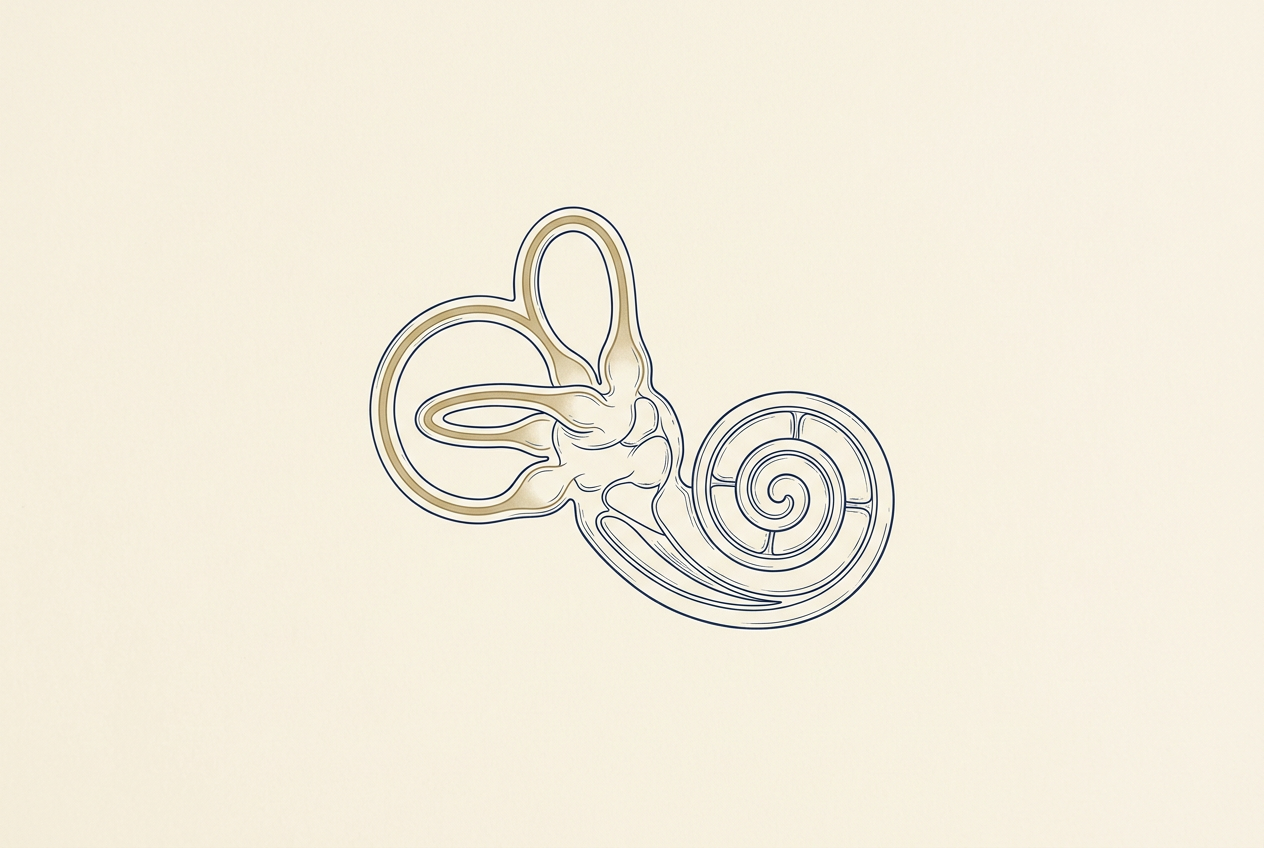
How VA rates Meniere's disease (DC 6205)
Meniere's is one of the few conditions VA must rate two ways and pay whichever is higher: once as a whole syndrome, once as its separate pieces. The gap between 30 and 100 percent comes down to counting attacks per month with the staggering gait documented. A dated vertigo log is worth more than any single exam.
How VA rates Meniere's disease
Meniere's disease (endolymphatic hydrops) is rated under diagnostic code 6205 in the ear schedule (38 CFR 4.87). VA must apply whichever of the two lawful rating paths produces the higher evaluation. The primary path rates the syndrome as a whole based on attack frequency. The alternative rates the individual pieces, vertigo, hearing loss, and tinnitus, separately and then combines them.
The percentage levels under DC 6205
- 30 percent: hearing impairment with vertigo less than once a month, with or without tinnitus.
- 60 percent: hearing impairment with attacks of vertigo and cerebellar gait occurring one to four times a month, with or without tinnitus.
- 100 percent: hearing impairment with attacks of vertigo and cerebellar gait occurring more than once weekly, with or without tinnitus.
"Cerebellar gait" means the staggering, unsteady walk that comes with a vertigo attack. The 60 and 100 percent levels require that attacks include it, and all three levels require some degree of hearing impairment alongside the vertigo.
The alternative: rate the pieces separately
A note to DC 6205 permits VA to assign separate evaluations for vertigo as a peripheral vestibular disorder (DC 6204), hearing impairment (DC 6100), and tinnitus (DC 6260), then combine them under 38 CFR 4.25. DC 6204 pays 30 percent for dizziness with occasional staggering and 10 percent for occasional dizziness, and requires objective findings of vestibular disequilibrium for a compensable rating. Tinnitus adds 10 percent, and the hearing loss rating follows the audiometric tables in 38 CFR 4.85.
What VA may not do is both: a rating under DC 6205 cannot be combined with separate ratings for hearing impairment, tinnitus, or vertigo. One path or the other, whichever is higher.
Attack frequency is the evidence that matters
The gap between 30 and 100 percent is a counting exercise: less than once a month versus more than once a week. Most treatment records do not capture frequency well because appointments happen between attacks. A dated vertigo log showing duration and what each attack forced you to stop doing, backed by witness statements from family or coworkers, is the strongest evidence a Meniere's claim can carry. Emergency visits during severe attacks anchor the timeline.
Common rating details veterans overlook
- Run both calculations before the exam. Severe hearing loss plus tinnitus plus 30 percent vertigo can occasionally beat the 60 percent syndrome rating, and VA owes you the higher path.
- The 60 and 100 percent levels require cerebellar gait during attacks, so describe the staggering and the falls, not just the spinning.
- Objective vestibular findings support the diagnosis and are required for a compensable DC 6204 rating on the separate path. Any recognized vestibular function test, such as ENG, VNG, rotary chair testing, or VEMP, can supply those findings. The regulation does not limit which test must be used.
- Meniere's is rated whether or not tinnitus is present, so the tinnitus question only affects the separate-ratings math.