The heart schedule speaks a language nobody teaches veterans: METs. Climbing a flight of stairs runs roughly 4 to 5 METs, so if stairs bring on breathlessness or chest symptoms, you are describing the 30 to 60 percent bands without knowing it. And a veteran who cannot safely take a treadmill test can still be rated, because the examiner may estimate, but only as well as the history you bring.
How VA rates heart valve disease
The rating schedule for heart conditions runs on a unit most veterans have never heard of: METs. Climbing a flight of stairs costs about 4 to 5 METs. If stairs bring on breathlessness or chest symptoms, you are already describing the 30 to 60 percent bands without knowing it. And if you cannot safely take a treadmill test, you can still be rated, because the examiner may estimate your METs level from your history alone.
How VA rates heart valve disease
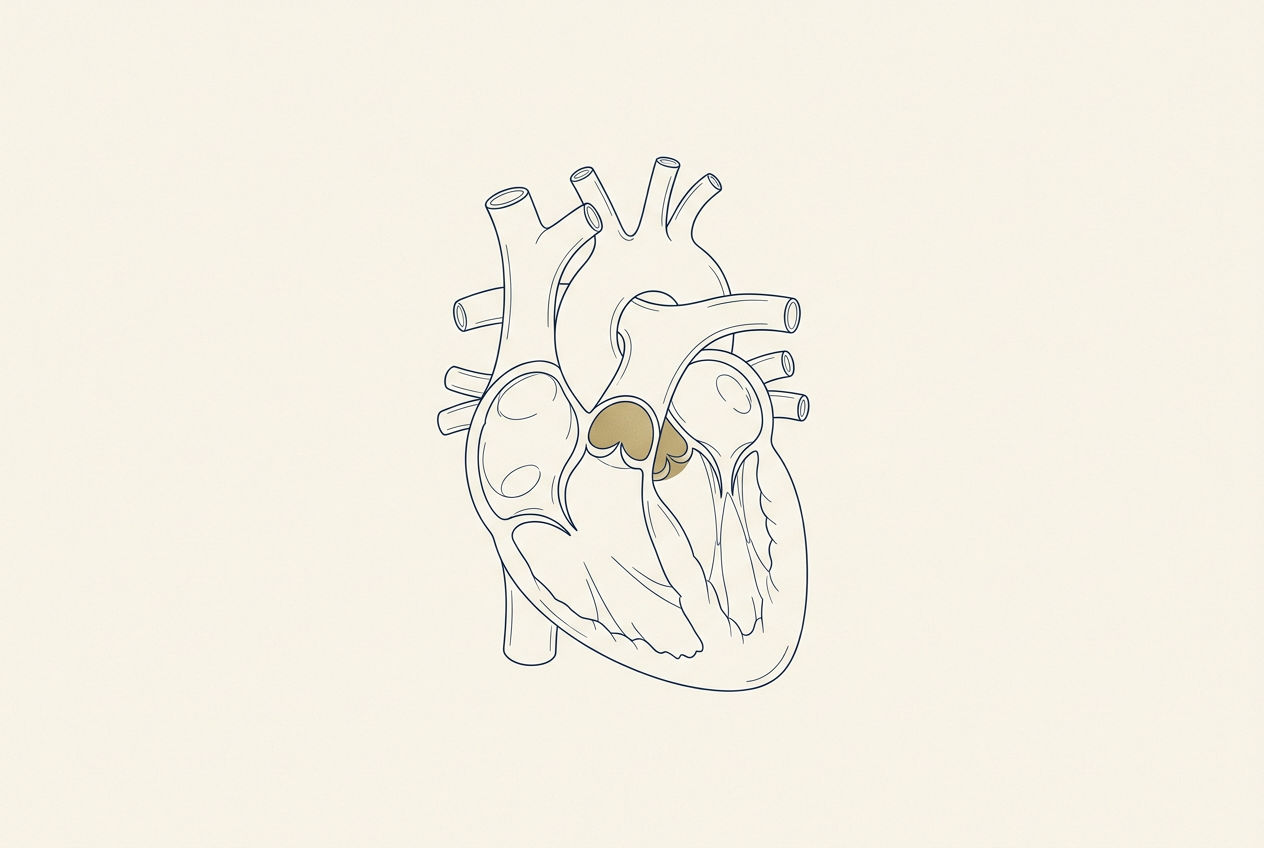
Valvular heart disease, including rheumatic heart disease and disorders of the mitral and aortic valves, is rated under diagnostic code 7000 (38 CFR 4.104). During active infection with cardiac involvement, and for three months after therapy for the infection ends, the rating is 100 percent. After that, with the diagnosis confirmed by physical findings plus objective evidence such as an echocardiogram, Doppler echocardiogram, or cardiac catheterization, or other equivalent imaging or diagnostic studies that objectively document the valvular condition, the condition is rated under the general rating formula for diseases of the heart, the same METs-based scale used for most cardiac conditions.
The METs formula
One MET is the energy of standing quietly at rest. The formula asks: at what workload do symptoms appear? Symptoms include heart failure, breathlessness, fatigue, angina, dizziness, arrhythmia, palpitations, or syncope.
- 10 percent: a workload of 7.1 to 10 METs produces symptoms, or continuous medication is required for control.
- 30 percent: a workload of 5.1 to 7 METs produces symptoms, or there is evidence of cardiac hypertrophy or dilatation on objective studies such as an echocardiogram, electrocardiogram, or chest X-ray.
- 60 percent: a workload of 3.1 to 5 METs produces symptoms.
- 100 percent: a workload of 3 METs or less produces symptoms.
For reference: climbing a flight of stairs runs about 4 to 5 METs, brisk walking about 4, and pushing a lawn mower 5 to 6. If those activities bring on breathlessness or chest symptoms, you are describing the 30 to 60 percent bands.
When exercise testing cannot be done
The formula anticipates that many veterans cannot safely complete a treadmill stress test. In that case a medical examiner may estimate the METs level at which symptoms appear, supported by specific examples such as slow stair climbing or shoveling snow. That estimate is only as good as the history you give. Come to the exam with concrete activities that trigger your symptoms and a clear sense of how long you last before symptoms begin.
Valve replacement has its own clock
A valve replacement (prosthetic valve, DC 7016) rates 100 percent for an indefinite period from the date of hospital admission for the surgery. Six months after discharge, a mandatory VA examination re-rates the residuals under the general formula, and any reduction must follow the notice procedures of 38 CFR 3.105(e). The 30 percent level's hypertrophy and dilatation pathway matters here: many post-surgical hearts show structural changes on echo that support 30 percent even when symptoms are controlled.
Common rating details veterans overlook
- Continuous medication alone is 10 percent, even with no measured symptoms. Blood thinners and rate control drugs after valve disease count in the picture the examiner weighs.
- Cardiac hypertrophy or dilatation on any echo is an independent path to 30 percent. Read your echocardiogram reports for those words.
- A murmur diagnosed in service matters decades later (38 CFR 3.303): the in-service finding anchors service connection for the valve disease it becomes.
- Arrhythmias that develop from valve disease, such as atrial fibrillation, can warrant their own evaluation when the criteria do not overlap.