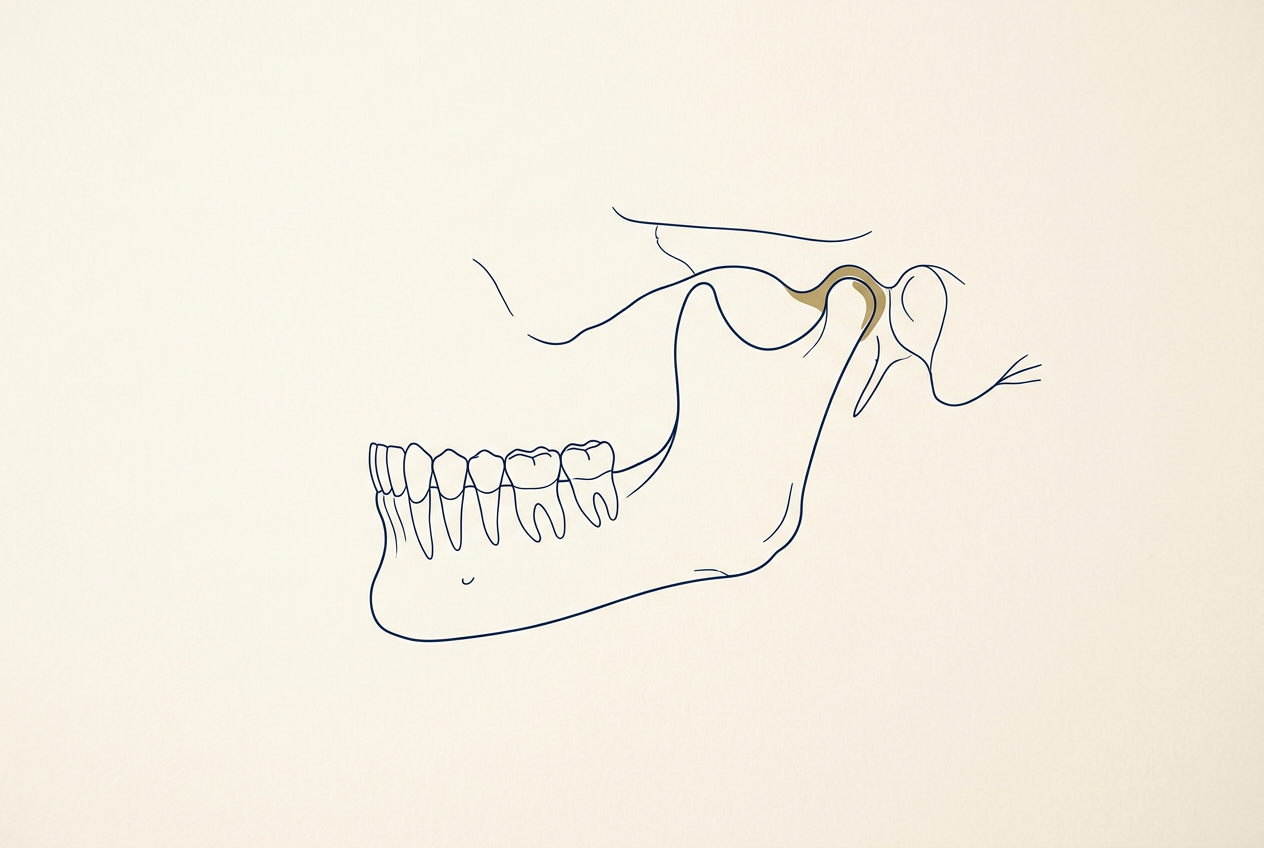
Most dental conditions VA recognizes pay no monthly compensation at all: cavities, replaceable teeth, and gum disease open the door to treatment only. The compensable track requires something structural, bone loss or a jaw that will not open, and the entire TMJ rating hangs on a millimeter measurement that many dental exams never take.
How VA rates dental conditions
Most dental problems VA recognizes pay no monthly compensation. Cavities, replaceable missing teeth, and gum disease earn service connection for treatment purposes only under 38 CFR 3.381. They open the door to VA dental care but nothing more. Compensable dental ratings live in 38 CFR 4.150 and require something structural: bone loss, jaw fracture residuals, or a temporomandibular disorder.
Tooth loss under DC 9913
Tooth loss is compensable only when it results from loss of substance of the body of the maxilla or mandible, bone loss through trauma or disease such as osteomyelitis, not from periodontal disease. Even then, the rating turns on whether a prosthesis can restore the chewing surface:
- 0 percent: the lost masticatory surface can be restored by a suitable prosthesis.
- 10 percent: all upper anterior teeth, all lower anterior teeth, or all upper and lower teeth on one side missing, where a prosthesis cannot restore the surface.
- 20 percent: all upper and lower posterior teeth, or all upper and lower anterior teeth, missing and not restorable.
- 30 percent: loss of all upper teeth, or all lower teeth, not restorable.
- 40 percent: loss of all teeth, not restorable.
The jawbone itself rates higher. Loss of more than half the maxilla not replaceable by prosthesis reaches 100 percent under DC 9914. Malunion or nonunion of the jaw rates 10 to 30 percent based on displacement and false motion.
TMJ under DC 9905
Temporomandibular disorder is rated on the interincisal range, how far you can open your mouth, measured in millimeters against a normal opening of 35 to 50 mm. Higher levels apply when dietary restrictions are required:
- 10 percent: opening limited to 30 to 34 mm without dietary restrictions, or lateral jaw movement limited to 0 to 4 mm.
- 20 to 30 percent: opening of 21 to 29 mm, rising with restriction to soft or pureed foods.
- 30 to 40 percent: opening of 11 to 20 mm.
- 40 to 50 percent: opening of 0 to 10 mm, with 50 percent reserved for a diet restricted to mechanically altered foods.
Limited opening and limited lateral movement cannot be combined. VA rates whichever is higher.
The trauma documentation problem
Dental trauma claims are won and lost on service records: the incident report, the dental chart entries, and the X-rays showing bone involvement. Since 2013, service dental records are part of the service treatment record. Request the full set. A civilian oral surgeon's opinion distinguishing traumatic bone loss from periodontal loss addresses the exact line DC 9913 draws.
Common rating details veterans overlook
- "Restorable by prosthesis" means 0 percent. The compensable levels require that a suitable prosthesis cannot restore function.
- TMJ claims need millimeters. A dental exam that never measures opening cannot support the rating. Ask for the numbers.
- TMJ secondary to bruxism from PTSD or anxiety is a recognized secondary path under 38 CFR 3.310.
- Even a 0 percent dental rating has value: it establishes service connection and eligibility for VA dental treatment.